
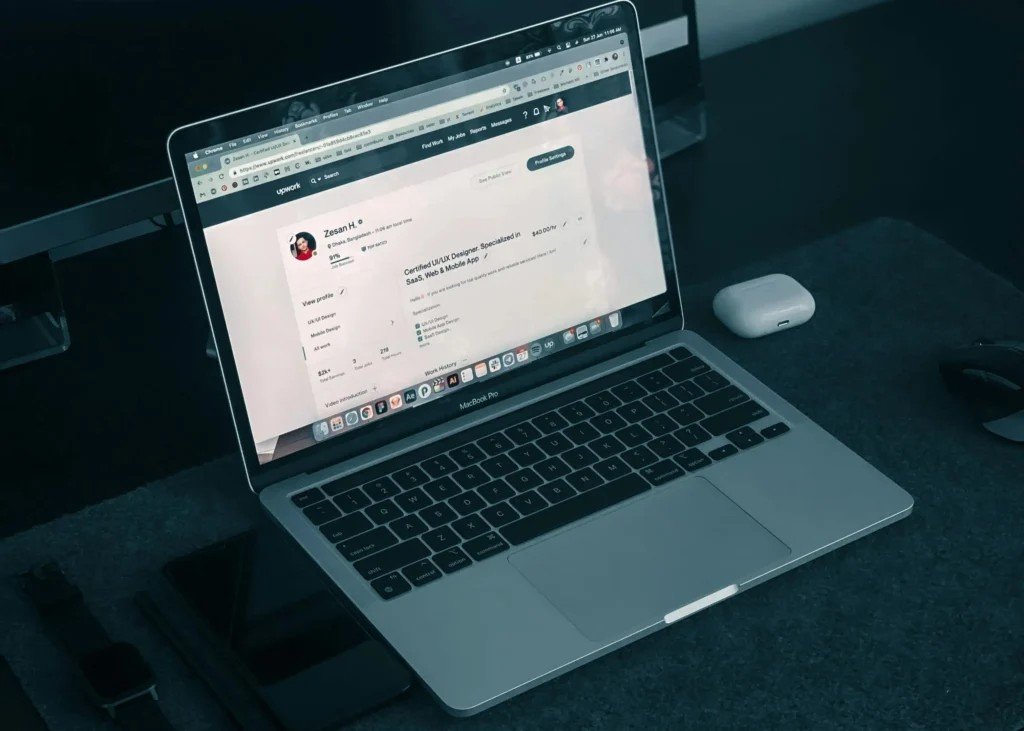
Upwork is one of the biggest places to find freelance work online, and clients from all over the world post jobs there every day. But most new freelancers create a profile in ten minutes and then wonder why no one replies, so a good profile takes a little more thought. It tells the client in a few seconds what you do, who you help, and why they should trust you. This guide walks you through each part of your Upwork profile, so you can build one that actually wins clients.
1. Pick one clear service to lead with
The biggest mistake new freelancers make is offering everything, design, writing, video editing, data entry, and social media, all on one profile. Clients do not hire a person who does everything, they hire a specialist who does one thing well.
Build your profile around the skill you are best at. If you design logos, make that your main service. You can add a second related skill later, but keep one clear focus. When a client searches for a logo designer, they want to see a logo designer, not a jack of all trades.
2. Write a title that says what you do
Your title is the first thing a client reads, and Upwork gives you one short line, so use it well. A weak title says “Freelancer” or “Hard worker”, which tells the client nothing. A strong title says exactly what you do and who you help.
For example: “Logo Designer for Small Businesses.” “WordPress Developer for Online Stores.” “Video Editor for YouTube Creators.” Each one is clear, and the client knows in one second if you fit.
Keep it short. Use words your client would search for, and name your niche if you have one. A clear title brings you the right jobs and filters out the wrong ones.
3. Use a real, friendly photo
Clients hire people, not usernames. A clear photo of your face builds trust before you say a word. Use a recent photo with good light and a plain background. Smile, look at the camera, and dress the way you would for a video call with a client.
Do not use a logo, a cartoon, or a group photo. One face, clear and friendly, is all you need. This small step makes a big difference, especially when you are new and have no reviews yet.
4. Write an overview that speaks to the client
Your overview is the most important part of your profile, and most beginners write about themselves. “I am a hardworking freelancer. I have five years of experience. I am passionate about design.” Clients skip this. They want to know what you can do for them.
Start with the problem you solve, then say how you solve it, then add a little proof. For example: “I design clean, professional logos for small businesses. I help new brands look trustworthy from day one. I have designed logos for shops, coaches, and startups, and I deliver files you can use everywhere.”
Keep it short, four to six paragraphs, and use simple words. End with a clear next step, such as “Send me a message and tell me about your project.” If you offer design services and want to see how a professional profile presents them, have a look at our services page.
5. Show your work in your portfolio
A portfolio is proof. Clients believe what they see more than what you read. Add your best four to six pieces. Quality matters more than quantity, and one strong logo is better than ten average ones.
If you have no client work yet, make sample projects, such as a logo for a made up coffee shop or a sample website. Label them clearly as sample work. Honest samples are fine. Fake client names are not.
Give each portfolio item a short title and one or two lines about what you did, and explain the goal, not just the tool. “Designed a logo and social media kit for a new bakery” tells the client far more than “Made in Photoshop”.
6. Add skills, tests, and your rate
Add the skills that match your main service. If you are a logo designer, add logo design, brand identity, and Adobe Illustrator. Do not add skills you cannot do, a client may test you on them.
Your hourly rate matters too. New freelancers often set their rate too low, hoping cheap prices will win jobs. Very low prices can scare good clients away, because they suggest low quality. Research what others with your skill charge, then set a fair rate. You can start a little lower while you build reviews, then raise it as your work proves itself.
7. Write proposals that get replies
Your profile works together with your proposals. When you apply for a job, read the full job post first. Many freelancers send the same copied message to every job. Clients can tell and ignore it.
Write two or three lines about the client’s actual project, mention one detail from their job post, and say how you would do the work in simple words. Keep it short. A client reading fifty proposals will reply to the one that sounds like a real person.
Send a few good proposals every day. The first few jobs are the hardest. Once you have two or three good reviews, new clients start to trust you faster.
8. Keep your profile fresh
A profile is not a one time job. Update it as you grow. Add new portfolio pieces when you finish good work. Update your overview when your skills improve. Ask happy clients for a short review after each job, since good reviews are the strongest part of any Upwork profile.
If you want help setting up your freelance career, from your profile to your first clients, get in touch through our contact page. We help beginners take the first steps, and we answer every message.